Indiana featured farmers
highlight egg production at fair
By ANDREA MCCANN
Indiana Correspondent
INDIANAPOLIS, Ind. — Indiana ranks second among states in egg
production – in no small part thanks to Midwest Poultry Services, LLC.
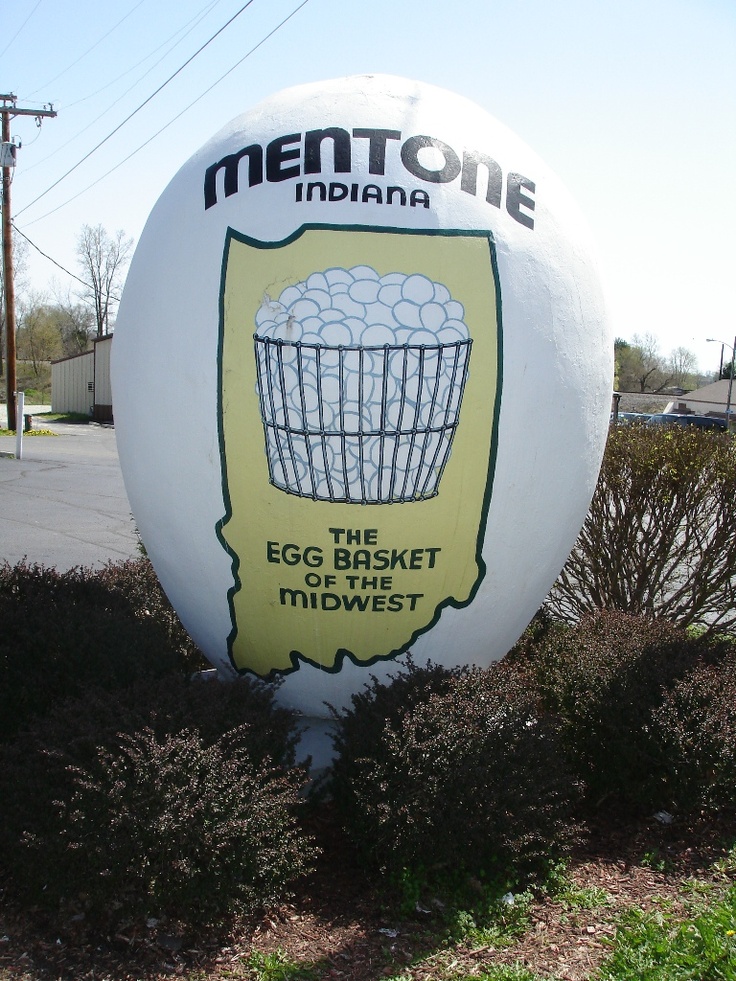
The operation, headquartered in Mentone, Indiana, houses nearly
10 million laying hens that produce around 5 million eggs daily. The company is
the second-largest egg producer in Indiana and in the Top 10 nationwide. But
the six-generation family farm didn’t start out that way.
MPS owners Bob, Sally and Dan Krouse spoke to a crowd gathered in
the Glass Barn at the Indiana State Fairgrounds on Tuesday, Aug. 8, during the
2017 Indiana State Fair. Bob, who married into the MPS farm family, said it
began in 1875 with a feed mill.
“They milled feed, flour, etcetera, through the mill,” he said.
They eventually became a feed distributor and later began production. “In the
1960s they got a couple thousand chickens to start. We have 10 million chickens
today.”
The egg operation is vertically integrated, according to Bob, who
explained to the state-fair audience that means the birds are raised on site
from birth, and the Krouses make their own feed. Their employees collect,
grade, wash, package, store, and prepare the eggs for shipping.
Any misshapen or cracked, but not broken, eggs are sent to a
place where they’re pasteurized and used by bakeries and other commercial
establishments.
“We don’t work directly with restaurants,” Bob explained. “We
ship to groceries or large food distributors.”
Their eggs are then sold under the grocer’s name, Dan continued
the explanation. For instance, he said Kroger is one of their customers.
Dan went into a little more detail for one person who asked how
long it takes an egg to get from hen to store. He said the hens lay their eggs
between 8 a.m. and 10 a.m. The eggs fall onto a conveyer belt, where they’re
carried to be washed and sorted – some by robotic arms, others by human hands.
The eggs are then placed into cartons; the cartons are packed into cases and
placed in a cooler, where they may remain about a day.
“The robotic arm handles them in a better way than humans,” Dan
explained in answer to another audience question. “The robot does the exact
same thing every time, so once you get it set, it never changes.”
Bob said: “Every year we have a billion and a half eggs. Our loss
is well under 1 percent.”
This type of efficiency isn’t the only improvement since the
operation began, according to Bob. He said animal welfare also is better.
“In the ’60s, most birds were in the barnyard,” he said, adding
that created problems with parasites, predators, disease, and weather exposure.
“(Indoors) it’s easier to maintain temperatures and protect them from predators
– and each other.”
While nonfarm residents may picture laying hens confined to tiny
cages all their lives, a video on the MPS website shows their hens with the
space and capability to move around. Bob said MPS has a veterinarian on staff
to see to the poultry’s vaccinations and overall health, and their employees
are trained in proper bird handling. The operation is certified by the United
Egg Producers and is an Indiana State Certified Livestock Handler.
“Biosecurity has always been an important part of the farm, but
it’s advanced since the Avian Flu outbreak a few years ago,” Dan added. “I
can’t even go into the buildings.”
He said there’s a locker room where employees must change before
they go inside the buildings, and there are truck washes with disinfectant for
vehicles that come onto the farms. Bob added that the family cannot have
personal birds on the farm – for a 4-H project, for example – because of the
risk of cross-contamination.
Asked if she cooks chicken, Sally said she does, but not their
chickens, as laying hens are different from broilers. The Krouse family does
get to enjoy its eggs, though.
“I eat scrambled eggs almost every morning,” Sally said, adding,
“Egg custard is the ultimate comfort food.”
MPS hens produce about 5 million eggs a day, according to the
company website, and the eggs have a distribution range of more than 2,000
miles.
“Eggs packaged today are on the shelf within the week,” Dan said.
“It’s possible to make it in one day.”
In Indiana, he said, the date on the carton must be 30 days out.
To ensure product safety and happy customers, MPS continues its quality control
off the farm all the way to the store. Quality control team members randomly
check coolers and displays, as well as the packaging, the date and time stamps,
and the eggs themselves. Feedback is reported back to the buyer, and
suggestions are made to help control inventory shrinkage.
Anyone wishing to know where their store-brand eggs originated
can find an identification number on the carton, Bob said, and use it to look up
the processing plant on the USDA website.
Featured Farmer chats were brought to the 2017 Indiana State Fair
by Dow AgroSciences and presented daily by the Indiana Soybean Alliance to give
fairgoers insight into farm life and how their food is raised.
|